
On This Page
- Charged With a Felony in Colorado Springs?
- Colorado Felony Classes and Sentencing Ranges
- Drug Felony Levels
- When Felony Sentences Go Higher
- Bond in Felony Cases
- How Long Prosecutors Have to File
- Probation and Alternatives to Prison
- Contacted by a Detective Before Charges
- How a Felony Case Moves Through Court
- How Felony Charges Are Defended
- Sentencing Hearings and Mitigation
- Consequences of a Felony Conviction
- Working With a Colorado Springs Felony Lawyer
- Frequently Asked Questions
- Sources
Charged With a Felony in Colorado Springs?
A felony charge is one of the most serious events in a person's life. Even the lowest-level felony carries the possibility of a prison sentence, and a conviction brings consequences that last long after any sentence ends: the loss of firearm rights, barriers to employment and housing, and in many cases immigration problems.
At the same time, a felony charge is not a felony conviction. Many felony cases are reduced to misdemeanors, resolved with deferred judgments, or dismissed. What happens in the first weeks of a case, including bond, the preliminary hearing, and early investigation, often shapes the result.
This page explains Colorado's felony classes and sentencing ranges, the factors that increase a sentence, the alternatives to prison, and how felony cases move through El Paso County District Court and the surrounding counties.
What to Do After a Felony Arrest
- Do not talk about the case with police, cellmates, or on recorded jail phone calls.
- Address bond quickly. A lawyer can ask the court to reduce bond or change conditions that make it hard to work or care for family.
- Follow every bond condition, including protection orders and firearm restrictions.
- Preserve evidence such as messages, receipts, video, and witness names.
Colorado Felony Classes and Sentencing Ranges
Colorado divides felonies into six classes. Under C.R.S. 18-1.3-401, for offenses committed on or after July 1, 2020, the presumptive ranges, fines, and mandatory parole periods are:
| Class | Presumptive Prison Range | Fine Range | Mandatory Parole |
|---|---|---|---|
| Class 1 | Life imprisonment | None | None |
| Class 2 | 8 to 24 years | $5,000 to $1,000,000 | 5 years for a crime of violence, otherwise 3 years |
| Class 3 | 4 to 12 years | $3,000 to $750,000 | 3 years |
| Class 4 | 2 to 6 years | $2,000 to $500,000 | 3 years |
| Class 5 | 1 to 3 years | $1,000 to $100,000 | 2 years |
| Class 6 | 1 year to 18 months | $1,000 to $100,000 | 1 year |
The presumptive range is the starting point. A judge imposing a prison sentence ordinarily chooses a term within it. Many felony sentences do not involve prison at all, because probation, community corrections, and deferred judgments are available for many offenses.
Examples by Class
- Class 2: second-degree murder, theft of $1 million or more
- Class 3: first-degree assault, first-degree arson of an occupied structure, aggravated robbery
- Class 4: second-degree assault, vehicular eluding causing injury, motor vehicle theft in the second degree, identity theft, robbery
- Class 5: felony menacing, vehicular eluding, possession of a weapon by a previous offender, theft of $5,000 to $20,000
- Class 6: theft of $2,000 to $5,000, theft of a firearm
See our pages on assault, theft, menacing, eluding, and arson for details on specific charges.
Drug Felony Levels
Drug offenses use a separate system of four drug felony levels, from level 1, the most serious, to level 4. Drug felonies have their own sentencing ranges and more access to treatment-based alternatives. Possession of more than 4 grams of most schedule I or II drugs is generally a level 4 drug felony, while distribution offenses are charged at higher levels based on quantity. See our drug crimes page.
When Felony Sentences Go Higher
Extraordinary Aggravating Circumstances
When certain aggravating circumstances apply, such as committing a felony while on parole, probation, or bond for another felony, the court must sentence at least to the midpoint of the presumptive range and may impose up to twice the maximum. With extraordinary aggravating or mitigating circumstances found on the record, the court can also go as high as twice the maximum or as low as half the minimum.
Crimes of Violence
Under C.R.S. 18-1.3-406, a felony charged as a crime of violence, typically because a deadly weapon was used or serious bodily injury resulted, requires a prison sentence of at least the midpoint of the presumptive range and up to twice the maximum. Probation is not available.
Extraordinary Risk Crimes
For crimes the legislature has designated as extraordinary risk crimes, including aggravated robbery, child abuse, stalking, sexual exploitation of a child, and any crime of violence, the maximum of the presumptive range is increased: by 4 years for a class 3 felony, 2 years for a class 4, 1 year for a class 5, and 6 months for a class 6.
Habitual Criminal Sentencing
Under C.R.S. 18-1.3-801, a person convicted of a felony who has prior felony convictions from separate cases can face a sentence of three times the maximum of the presumptive range for a class 1 to 5 felony with two prior felonies within ten years, or four times the maximum with three prior felonies. Habitual charges are often used as leverage in plea negotiations, and whether the prior convictions qualify is frequently disputed.
Bond in Felony Cases
Bond is often the first major issue in a felony case. Getting released quickly protects a person's job, housing, and family, and it makes it much easier to prepare a defense.
- Types of bond. Courts can release a person on a personal recognizance bond with no money required, a cash bond, or a surety bond through a bail bond company.
- Conditions. Felony bond often comes with conditions such as no contact with alleged victims, no firearms, no alcohol or drugs, curfew, GPS monitoring, or regular check-ins with pretrial services.
- Bond reduction. If bond is set too high, a lawyer can ask the court to reduce it based on the person's ties to the community, employment, record, and the facts of the case.
- Violations. Violating bond conditions can lead to arrest, revocation of bond, and in some cases a new charge.
Pretrial supervision in El Paso County is often used as an alternative to a high money bond. A lawyer who addresses bond early can sometimes avoid weeks or months in custody.
How Long Prosecutors Have to File
Under C.R.S. 16-5-401, most felonies must be charged within three years. Some offenses have no time limit, including murder, kidnapping, treason, forgery, and sex offenses against a child, and others have longer or special periods. For some crimes, including theft and identity theft, the period begins when the offense is discovered, and time spent outside Colorado can extend it.
Probation and Alternatives to Prison
- Probation. Many felony convictions, particularly class 4, 5, and 6 felonies, result in probation, sometimes with a short jail term as a condition.
- Deferred judgment. Under C.R.S. 18-1.3-102, a person pleads guilty, but the conviction is not entered while they complete conditions for up to four years in a felony case. If they succeed, the case is dismissed. The prosecutor must agree.
- Community corrections. A sentence to a community corrections facility allows a person to work in the community while serving the sentence under supervision.
- Problem-solving courts. El Paso County has specialty courts, including drug and veterans treatment courts, that offer supervised treatment instead of incarceration for eligible people.
- Reduction to a misdemeanor. Many felony cases are resolved by a plea to a misdemeanor, which avoids a felony record entirely.
Contacted by a Detective Before Charges
Many felony cases begin with an investigation rather than an arrest. A detective may call, leave a card, or ask you to come to the station to "clear things up." That contact often means the detective is trying to obtain a statement before deciding on charges or applying for an arrest warrant.
You are not required to answer a detective's questions, and declining to do so cannot be used as evidence of guilt. A lawyer can contact the detective for you, learn about the investigation, and in some cases provide information that prevents charges from being filed. If a warrant is likely, a lawyer can often arrange a planned surrender and a prompt bond hearing, rather than an arrest at home or work.
Investigations involving financial crimes, sexual offenses, and some drug cases can last months before charges are filed. Getting advice early is especially important in those cases.
How a Felony Case Moves Through Court
Felony cases in El Paso County are prosecuted by the District Attorney's Office for the 4th Judicial District and heard in El Paso County District Court at the El Paso County Judicial Building, 270 S. Tejon Street. Teller County felony cases are heard at the Teller County Combined Court in Cripple Creek. We also handle felony cases in Pueblo County and Fremont County.
- Arrest and bond. After an arrest, the court sets bond and conditions, often including a protection order.
- Filing of charges. The District Attorney files a complaint listing the charges, which can change as the case develops.
- Preliminary hearing. For more serious felonies, and for lower-level felonies in certain circumstances, the accused can request a hearing where a judge decides whether there is probable cause. It is an early chance to test the prosecution's evidence and witnesses.
- Arraignment. The accused enters a plea in district court.
- Discovery and investigation. The defense obtains the prosecution's evidence and conducts its own investigation, which may include an independent forensic review.
- Motions. Motions to suppress evidence, dismiss charges, or exclude testimony are heard.
- Negotiation. Most felony cases resolve through plea agreements, which may involve reduced charges, deferred judgments, or sentence agreements.
- Trial. If the case does not resolve, a jury of 12 decides whether the prosecution has proven every element beyond a reasonable doubt.
Some felony cases begin with a grand jury indictment instead of a complaint. In those cases, there is no preliminary hearing.
How Felony Charges Are Defended
No lawyer can promise a particular result, but these are the areas where felony cases are most often won or improved.
The Preliminary Hearing
A preliminary hearing can lead to dismissal or reduction of charges that lack probable cause, and it locks in witness testimony early.
Suppression of Evidence
Evidence from unlawful searches, seizures, or interrogations can be excluded. In many drug, weapons, and theft cases, suppression ends the case.
Challenging the Charge Level
Felony classes often depend on disputed facts: the value of property, the degree of injury, whether a weapon was used, or the quantity of drugs. Challenging those facts can lower the class or reduce the case to a misdemeanor.
Affirmative Defenses
Self-defense, defense of others, and other affirmative defenses must be disproved by the prosecution beyond a reasonable doubt once they are raised with some credible evidence. For self-defense, that rule applies to charges requiring intent or knowledge, and reckless or negligent charges are handled differently.
Investigation and Forensic Review
Independent investigation, forensic analysis, and a careful review of digital evidence often reveal weaknesses that are not apparent from the police reports.
Mitigation
Even when the evidence is strong, presenting a person's history, treatment, employment, family responsibilities, and military service can lead to alternatives to prison.
Sentencing Hearings and Mitigation
When a felony case ends in a conviction, the sentencing hearing is often where the most can be gained. Before sentencing, the probation department usually prepares a presentence investigation report with the person's history and a recommendation. The defense can respond to that report and present its own information.
Effective mitigation can include treatment records, employment history, letters from family and employers, military service records, evidence of restitution paid, and a plan for supervision in the community. Judges consider these factors when deciding between prison, community corrections, and probation, and when choosing a sentence within the range.
Consequences of a Felony Conviction
- Firearms. A felony conviction generally ends the right to possess firearms under federal law, and qualifying felonies, including Victim Rights Act felonies, bring a Colorado prohibition. Possessing a firearm in violation of the Colorado prohibition is a separate class 5 felony.
- Voting and jury service. In Colorado, people on parole for a felony can vote, and people serving a prison sentence cannot. Felony convictions can affect jury eligibility.
- Employment and housing. Felony convictions create barriers to jobs, professional licenses, and rental housing.
- Immigration. Many felonies are aggravated felonies or crimes involving moral turpitude under immigration law. Non-citizens should get advice before any plea.
- Military members. Service members at Fort Carson, Peterson and Schriever Space Force Bases, and the Air Force Academy can face separation and loss of benefits.
- Future cases. Prior felonies can trigger habitual criminal charges and higher sentences.
- Your record. Many class 4, 5, and 6 felonies can be sealed after three years. Class 1, 2, and 3 felonies, crimes of violence, and Victim Rights Act felonies generally cannot. See our record sealing page.
Working With a Colorado Springs Felony Lawyer
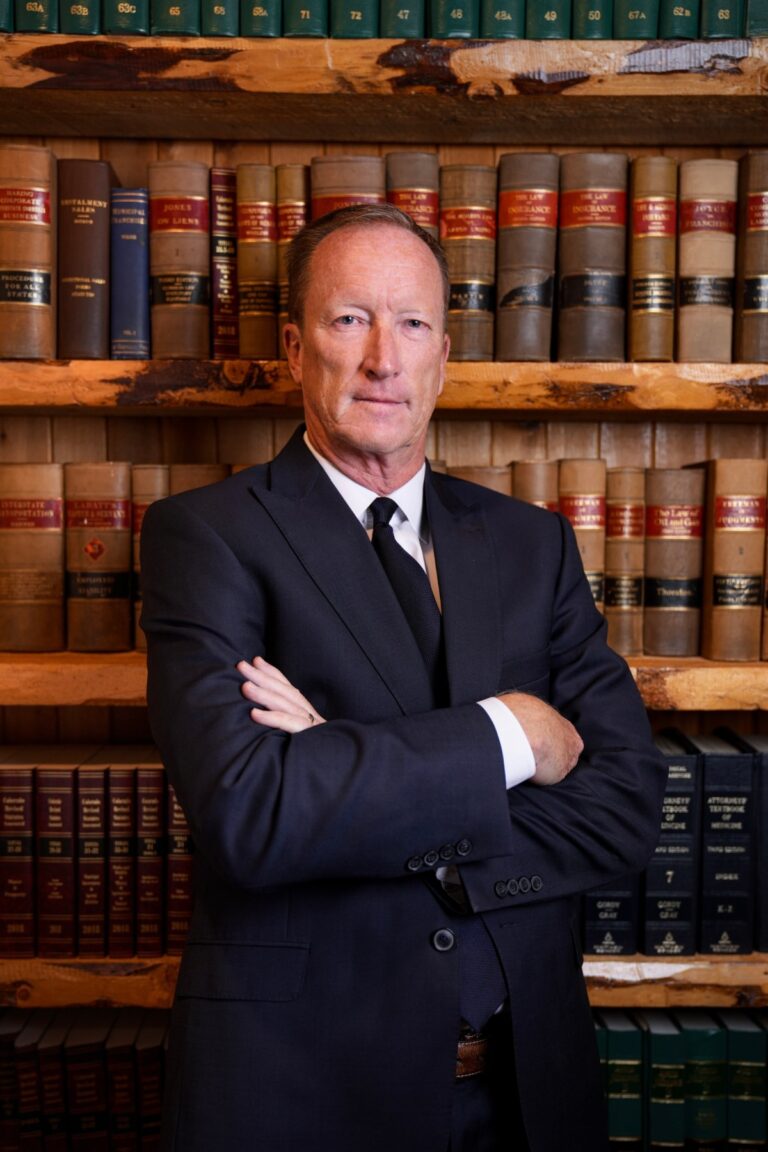
Attorney Michael W. Moran has been licensed to practice law in Colorado since 1995 and is a former municipal court judge. He represents people charged with felonies of every class, including assault, theft, drug, weapons, and property offenses, in El Paso, Teller, Pueblo, and Fremont counties.
A first meeting covers the charges, bond, the evidence, the sentencing range you actually face, and the steps that can be taken early to improve the outcome.
Criminal Defense Colorado Springs, P.C. offers free, confidential consultations.
Frequently Asked Questions
What is a class 4 felony in Colorado?
A class 4 felony carries a presumptive range of 2 to 6 years in prison, a fine of $2,000 to $500,000, and 3 years of mandatory parole if prison is imposed. Second-degree assault and robbery are examples. Probation is available for many class 4 felonies.
What is a class 5 felony in Colorado?
A class 5 felony carries a presumptive range of 1 to 3 years in prison, a fine of $1,000 to $100,000, and 2 years of mandatory parole if prison is imposed. Felony menacing and vehicular eluding are examples.
What is the lowest felony in Colorado?
A class 6 felony is the lowest felony class, with a presumptive range of 1 year to 18 months in prison and a fine of $1,000 to $100,000. Level 4 drug felonies are the lowest drug felony level.
Can a felony be reduced to a misdemeanor in Colorado?
Yes. Many felony cases are resolved by a plea to a misdemeanor, often after negotiation over the evidence, the value or injury involved, and the person's history.
Will I go to prison for a felony?
Not necessarily. Many felony cases end in probation, community corrections, a deferred judgment, or a reduction. Crimes of violence and some other offenses require prison.
Can a felony be sealed in Colorado?
Many class 4, 5, and 6 felonies and level 3 and 4 drug felonies can be sealed three years after the case ends or supervision is completed. Some felonies are also sealed automatically after 10 years with no new convictions.
What is a preliminary hearing?
A preliminary hearing is a court hearing early in a felony case where a judge decides whether there is probable cause to believe the accused committed the charged offense. It is an important chance to test the prosecution's case.
How long does a felony case take in El Paso County?
Many felony cases take several months to a year or more, depending on the complexity, the need for forensic testing, and whether the case goes to trial. A person in custody has the right to a speedy trial, which affects the timeline.
Will I lose my gun rights if I get a deferred judgment on a felony?
While the deferred judgment is in effect, the person has a pending felony case, and bond or probation conditions usually prohibit firearms. If the deferred judgment is completed and the case is dismissed, there is no felony conviction.