
Colorado Springs Police Reports
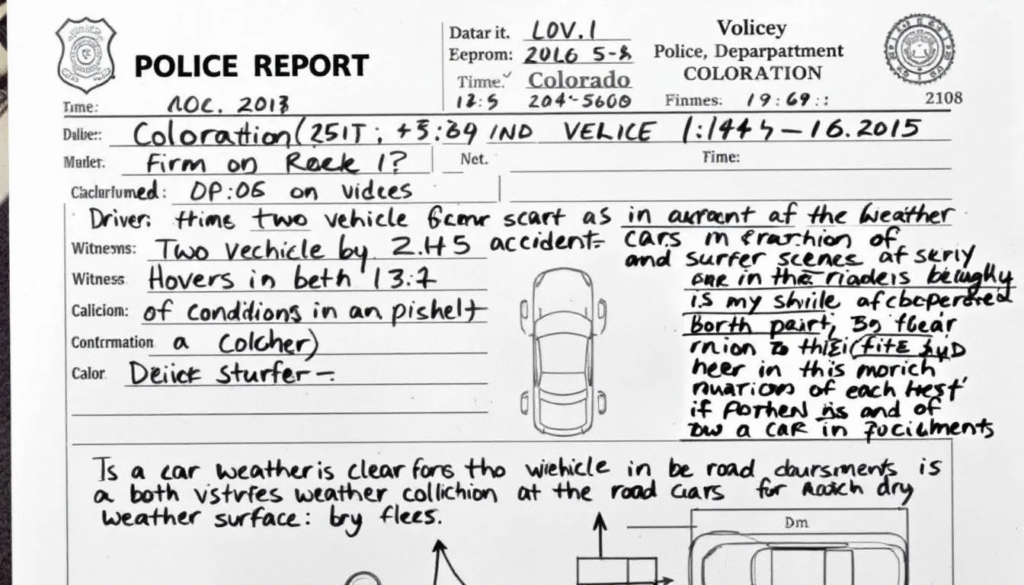
If you were just in a crash, you need that police report—fast. It’s the document insurers, lawyers, and courts rely on to understand what happened, who was involved, and whether citations were issued. Below is a clear, Colorado‑specific guide to getting your report quickly, with pro tips to avoid common delays.
Good to know: In Colorado, the process depends on which agency investigated (Colorado State Patrol, a city police department like Colorado Springs or Denver, or a county sheriff’s office). If no officer responded, you’ll handle things differently (details below).
The Quick Answer
Figure out the investigating agency (look at the officer’s business card, the “driver exchange” slip, towing paperwork, or your text/email from dispatch).
Wait for processing (often up to 10 business days after the investigation is complete).
Request it from the right place:
Colorado State Patrol (CSP) → Request through CSP’s Central Records portal.
City Police/Sheriff (e.g., Colorado Springs PD, Denver PD) → Use that agency’s Records/Reports page or portal.
No officer responded? File a self‑report with the Colorado DMV; it’s for records, not an investigation.
Have the essentials ready: case/report number, date/time, location, names, and proof you’re a party to the crash.
Expect modest fees for the report; multimedia (photos/body‑cam) costs extra and may be limited or redacted.
Step‑by‑Step: Get Your Colorado Crash Report
Step 1: Identify who investigated
Check for a case/report number on the officer’s card, the “exchange of information” sheet, or towing/impound paperwork.
If you don’t have paperwork, call the non‑emergency line for the city/county where the crash happened and provide your name, date/time, and location to look up the report number.
Pro tip: If your vehicle was towed at a CSP‑investigated scene, the CSP incident sheet typically lists the tow company and the case number. Keep that handy.
Step 2: Give it time to post
Most agencies need time to finalize and approve the report after a crash—often up to 10 business days. Serious or ongoing investigations can take longer to complete. Don’t submit duplicate requests, as this can slow down your release.
Step 3: Request your report the right way
A) If the Colorado State Patrol investigated
Submit your request through the CSP Central Records portal.
You’ll usually need the following information: driver name(s), crash date, report number, and location.
Fees: A basic report is inexpensive; staff research/redaction time and multimedia (dash/body‑cam, 911 audio, photos) can add cost.
B) If a city police department or sheriff’s office investigated
Go to that agency’s Records/Reports page (for example, Colorado Springs or Denver) and select “accident/crash report.”
Many agencies accept online payment and allow you to request investigation supplements if available (officer/witness statements, diagrams).
Release may be limited when cases are active, involve juveniles, or include sensitive information; expect redactions.
C) If no officer responded (cold reporting/accident alert or private property)
File a self‑report with the Colorado DMV (online or by mail).
Important: A self‑report is not a police investigation; it’s maintained for record purposes and insurance/driver‑license records.
What You’ll Need (Checklist)
✅ Case/Report Number (if you have it)
✅ Names of drivers/owners involved
✅ Date, time, and exact location of the crash
✅ Your government ID (or proof you’re a party/authorized)
✅ Payment method (credit card online; some accept check/money order)
✅ Your contact info for delivery (email or mailing address)
Expected Costs & Timing in Colorado
Basic report: Usually a small flat fee for up to 10 pages.
Additional pages: Nominal per‑page charge.
Staff time: Agencies can charge by the hour for research, review, and redactions.
Photos/body‑cam/911 audio: Typically separate fees and may take longer to review.
Turnaround: Online requests are commonly fulfilled within a few business days after the report is finalized; however, complex or active cases may take longer.
Tip: If you only need the basic crash report for an insurance claim, request that first; you can decide later if you need supplemental materials.
What’s Actually in the Police Report?
Who/what/where/when: drivers, passengers, vehicles, location, time.
Narrative & diagram: the officer’s account and a crash sketch (when available).
Contributing factors include road conditions, suspected impairment, speed, and others.
Citations: if any were issued.
Reality check: A police report is evidence, but it isn’t the final word on fault. Insurers and courts can weigh other evidence (video, witness statements, expert analysis).
Colorado Springs: Cold Reporting Basics
During Accident Alert or for minor crashes on private property, Colorado Springs PD may direct you to self‑report the crash to the State (DMV)—not to CSPD. That keeps your incident on record but doesn’t trigger an investigation. If injuries, suspected DUI/drugs, a hit‑and‑run, or significant damage is involved, call 911 and wait for an officer.
Common Speed Bumps (and How to Avoid Them)
Requesting from the wrong agency
Ensure you’re contacting the specific department that handled your scene (e.g., CSP, city PD, or sheriff).Asking too soon
Most reports aren’t immediately available; waiting up to 10 business days post‑investigation is normal.Missing details
If you lack a report number, please provide the date, time, location, and parties so that Records can locate it.Expecting full disclosure
Colorado’s criminal-justice records law allows for redactions or temporary withholding (e.g., open investigations, juvenile information).
Quick Reference Table
Scenario | Where to Request | Typical Wait | What to Have Ready | Pro Tip |
|---|---|---|---|---|
CSP investigated (highways, interstates) | CSP Central Records portal | Up to ~10 business days after approval | Report #, driver names, date/location, ID | Start with the basic report; request multimedia later if needed. |
City PD (e.g., Colorado Springs, Denver) | That agency’s Records/Reports page | Varies; often a few business days post‑finalization | Report # or date/location/names; payment method | Online portals often accept credit cards and provide email delivery. |
No officer responded (cold report/private property) | File with Colorado DMV (self‑report) | DMV keeps it for records; not an investigation | Driver/vehicle/insurance info | Useful for insurance/driver record; not the same as a police‑investigated report. |
Do’s & Don’ts
Do
Request your basic crash report first to keep costs and turnaround times tight.
Do double‑check you’re contacting the correct agency.
Do keep your case number in your phone and email.
Don’t
Don’t submit duplicate requests (it can slow processing).
Don’t assume no report exists—call Records if you don’t have the number.
Don’t rely on a self‑report as proof of fault; it’s administrative, not investigative.
FAQs
How long does it take to get a police report after a Colorado crash?
Often, it takes up to 10 business days after the officer finalizes and approves it. Serious or active cases can take longer.
How much does a report cost?
Expect a small fee for the report itself; agencies may charge for hourly staff time for research and redactions, as well as additional fees for photos, body cameras, or 911 audio.
Who can request a copy?
Typically, parties to the crash, their insurers, and attorneys are involved. You may need ID or proof of involvement. Some information can be redacted or temporarily withheld under Colorado law.
What if I don’t have my case/report number?
Provide the date/time, location, and names to the Records Unit for a lookup. Tow/impound paperwork and the “driver exchange” sheet often list the case number.
Is a DMV self‑report the same as a police report?
No. A self‑report is for record‑keeping and does not involve an investigation. It can help with insurance documentation but isn’t a substitute for a police‑investigated report.
Can I get photos or body‑cam video?
Sometimes – availability varies and may involve additional review time, redactions, and fees. If the case is open, multimedia may be delayed or withheld.
When to Call a Lawyer
If injuries, disputed liability, a citation (like careless driving or DUI), or a hit‑and‑run are involved, speaking with counsel early can protect your rights and claims. Our team can request, review, and explain your report, then develop a plan based on it.
Talk with Colorado Springs Criminal Defense, P.C.: Free Consultation
Learn about our DUI defense approach: DUI Defense
See how we defend traffic violations: Colorado Springs Traffic Lawyer
Meet your attorney: Michael W. Moran
Conclusion
Obtaining your police report in Colorado depends on the right agency, the right timing, and the proper request. Line up your case number, give the report time to finalize, and start with the basic report to move insurance forward quickly. If your situation involves injuries, citations, or liability questions, leverage a legal strategy early—before deadlines and evidence go stale.
About the Author
Michael W. Moran is a Colorado Springs criminal defense attorney with 30+ years of courtroom experience across El Paso County and beyond. Founder of Criminal Defense Colorado Springs, P.C., he defends clients in DUI/DWAI, traffic, and complex felony cases and is known for his strategic, no‑nonsense advocacy.