
How You Can Be Charged With Obstruction Of Justice In Colorado
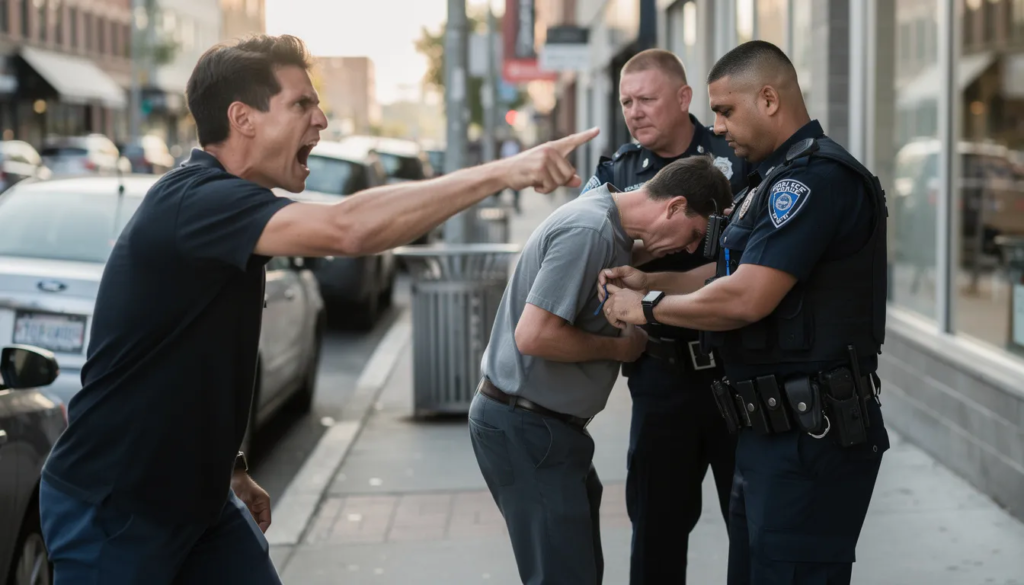
If a traffic stop, neighborhood argument, or domestic call gets heated, it can turn into more than the original allegation. People in Colorado Springs are often surprised when police or prosecutors add an “obstruction” related charge because of what happened after officers arrived, what was said to a witness, or what was done with a phone or other evidence.
This article explains, in plain English, how obstruction of justice allegations typically show up in El Paso County, what the prosecution has to prove, what penalties and real-life consequences can follow, and what practical steps can protect you early.
What “Obstruction Of Justice” Usually Means In Colorado
In everyday conversation, “obstruction of justice” is a catch-all phrase. In Colorado criminal court, prosecutors usually charge a specific offense from Title 18, Article 8 (Offenses Relating to Governmental Operations), or a closely related statute. Obstructing governmental operations is classified as a Class A misdemeanor.
A common theme is alleged interference with the system: the police investigation, an arrest, a court process, a witness, or evidence.
Why These Cases Come Up In Colorado Springs And El Paso County
Obstruction-related charges often get filed alongside other charges, such as DUI, assault, domestic violence, theft, harassment, or drug possession. They can also be filed by themselves when the primary conduct is about interference, not the underlying incident.
In Colorado Springs, these allegations frequently start with:
A roadside stop where emotions run high
A warrant service or arrest attempt
A 911 call where statements later conflict
A dispute involving texts, calls, or social media messages
A case where someone tries to “fix it” by contacting a witness directly
Common Real-World Scenarios That Lead To Obstruction Allegations
Here are situations that commonly trigger an obstruction-related charge:
Pulling away, tensing up, or physically struggling during handcuffing
Stepping between an officer and another person during an arrest
Refusing to leave an active scene (fire, medical response, crash scene) and physically blocking access
Deleting messages, hiding a phone, or destroying an item after you believe a case is coming
Asking a witness to skip court, “forget,” or “take back” a statement
Giving a false name or birth date during a stop
Calling in a false report or making a false emergency claim
Obstruction Vs “Just Being Difficult”
Colorado law draws lines between:
Physical interference or threats, and
Mere words, disagreement, or silence
That line matters, especially in cases involving obstructing a peace officer or resisting arrest. What feels like “arguing” in the moment may be described in a report as interference, threatening language, or actions that created a risk of injury.
How Police Reports Often Describe These Incidents
Many obstruction cases turn on how the report is written and what the video shows. Reports often use phrases like:
“Tensed up,” “pulled away,” “braced,” or “went limp”
“Refused lawful commands”
“Interfered with an arrest”
“Attempted to persuade a witness”
“Deleted messages” or “concealed evidence”
Those phrases can be challenged, but the best time to start is early, while videos, dispatch audio, and phone records are still available.
Colorado’s Obstruction-Related Statutes In Title 18, Article 8
Colorado’s criminal code spells out these offenses in the Colorado Revised Statutes. If you want to see the official statute language, you can review the state’s PDF of the criminal code here: Colorado Revised Statutes Title 18 (Criminal Code).
Prosecutors often choose from several different charges depending on what they believe happened.
Obstructing Government Operations
This charge focuses on intentionally obstructing, impairing, or hindering a governmental function by using or threatening to use violence, force, or physical interference or obstacle. Obstruction of governmental operations does not apply to actions that avoid compliance with the law without affirmative interference. Obstruction of justice includes acts like destroying evidence, tampering with witnesses, and influencing jurors.
A key point many people miss: the statute also lists affirmative defenses in certain situations, including where the obstruction was of unlawful action by a public servant, or where it involved the making of an arrest (meaning the state may charge something else for arrest interference). That is one reason case-specific analysis matters.
Resisting Arrest
Resisting arrest is not just “not cooperating.” Under Colorado law, it involves knowingly preventing or attempting to prevent an arrest by:
Using or threatening physical force or violence, or
Using some other means that creates a substantial risk of bodily injury to the officer or another person
Colorado law also limits defenses in this area, so the facts about what the officer did, what you did, and what level of force was used can become a major issue quickly.
Obstructing A Peace Officer, Firefighter, Or EMS Provider

Obstructing a peace officer (and other emergency personnel) can involve knowingly obstructing, impairing, or hindering law enforcement or emergency work by using or threatening violence, force, physical interference, or an obstacle.
Important protection in the statute: you should not be charged with this offense simply because you remained silent or because you expressed verbal opposition to an order. Silence alone is not obstruction, and verbal disagreement alone is not obstruction. The state typically relies on alleged conduct, not just words.
Witness Tampering
Witness tampering allegations are common in domestic cases and fights between people who know each other. Colorado’s witness tampering statute can involve intentionally attempting (without bribery or threats) to induce a witness or victim to: All witness tampering is a form of obstruction of justice, but not all obstruction of justice involves witness tampering. The law prohibits using various tactics to prevent a witness, victim, or informant from attending or testifying at an official proceeding, producing evidence, or reporting a federal offense.
Testify falsely or unlawfully withhold testimony
Absent themselves from an official proceeding after being legally summoned
Avoid legal process summoning them to testify
A single text like “please don’t show up” can be interpreted in a way you did not intend. That is why post-incident communication is so risky.
Witness Intimidation And Retaliation
Colorado also criminalizes intimidating a witness or victim and retaliation against a witness or victim. These cases often involve alleged threats, harassment, or harm aimed at influencing testimony or punishing someone for cooperating.
Even if you believe you are defending yourself in a relationship dispute, the court can treat witness contact and messaging as its own separate problem.
Tampering With Physical Evidence
Evidence tampering allegations often come from fast decisions that felt harmless at the time:
Deleting messages
Throwing away an item
Hiding a phone
Altering a photo or screenshot
Moving something before police arrive
Colorado’s tampering with physical evidence statute focuses on destroying, concealing, removing, altering, or presenting false physical evidence when you believe an official proceeding is pending or about to be instituted, with intent to impair the evidence’s availability or truth. Federal law encompasses a broad range of prohibited acts under obstruction of justice, including the destruction or alteration of evidence and false statements to law enforcement.
False Reporting And False Identifying Information
Two common filing decisions in real cases:
False reporting to authorities (for example, knowingly reporting information you know is false, or making a false emergency report)
False reporting of identifying information to law enforcement (giving a false name, address, birth date, or similar identifying information)
In some situations, false identifying information can be charged more seriously if it substantially impedes a felony investigation or arrest.
What Prosecutors Must Prove In Plain English
Every obstruction-related offense has its own elements, but prosecutors usually focus on a few repeating themes:
Intent and knowledge: Did you knowingly do the act? Did you intend to hinder, influence, or obstruct?
Conduct vs speech: Was there physical interference, a threat, or an action that created risk?
Timing: Did you believe an investigation or court action was pending or about to start?
Connection to a process: Was there an arrest, official proceeding, subpoena, summons, or active emergency response?
Intent, Knowledge, And “Under Color Of Authority”
In officer-interference cases, statutes often reference officers acting “under color of official authority.” That language can become a key battleground when:
An officer was not clearly identified
A situation was chaotic or confusing
Commands were conflicting
The report does not match the video
Attempted Conduct Counts In Some Cases
Some statutes criminalize “attempting” to induce a witness or “attempting” to prevent an arrest. That means the state may charge the offense even if the effort did not succeed.
Words, Silence, And Your Constitutional Rights
You have constitutional protections, including the right to remain silent. But that right is not a license to provide false information or to physically interfere with officers or witnesses.
If you want a neutral, plain-English overview of the concept of obstruction of justice and how the term is used more broadly, see: Cornell Law School Legal Information Institute: Obstruction Of Justice.
How These Charges Are Filed In Colorado Springs
Obstruction-related cases may start with:
A summons and complaint with a future court date
An arrest and booking, followed by a first appearance or advisement
Additional charges added later after prosecutors review body camera, witness statements, or digital evidence
It is also common to see these charges added as “stacked” counts on top of another case because the state views the obstruction conduct as a separate harm.
Misdemeanor Vs Felony Exposure
Many Colorado obstruction-related allegations are filed as misdemeanors, but witness-related charges and evidence tampering can turn into felony exposure depending on the statute and the facts. Obstruction of justice can lead to felony convictions, impacting future employment opportunities and professional licenses. Those found guilty of obstruction of justice may face severe penalties, including lengthy prison sentences and long-lasting impacts on their lives and reputations.
If you are trying to understand misdemeanor vs felony risk and how Colorado Springs cases typically move through County Court, this overview can help: Misdemeanor Defense Lawyer Colorado Springs.
Potential Penalties, In General Terms
Penalties depend on the exact charge, the date of the alleged offense, your record, and whether the state claims aggravating factors. Penalties for obstruction of justice can include substantial fines and imprisonment for up to 20-30 years or more for severe cases.
Common penalty categories in obstruction-related cases include:
County jail exposure for misdemeanor charges
State prison exposure for felony charges
Fines and court costs
Probation (often with conditions like classes, treatment, useful public service, or supervision)
Restitution (especially in false emergency reporting cases)
Collateral Consequences Beyond The Court Sentence
Even when jail is not the main issue, obstruction allegations can create real-life problems:
Bond restrictions that affect work, travel, and family contact
No-contact conditions that change living arrangements overnight
Employment and licensing risk (health care, teaching, military, federal contractors)
Immigration consequences for non-citizens
Firearm restrictions in cases involving protection orders or related filings
Bond Conditions And No-Contact Orders
Colorado Springs judges often set conditions designed to prevent further contact or interference. Even “good intentions” like checking on someone can violate a no-contact order and create a new case.
Employment, Housing, And Background Checks
Obstruction-related charges can show up on background checks, even before a case is resolved. This is one reason early strategy, careful communication, and documentation matter.
Immigration And Professional Licensing Concerns
If you are not a U.S. citizen or you hold a professional license, do not assume an “obstruction” related plea will be treated like a minor offense. You want immigration-safe and license-aware advice as part of the defense strategy.
Record Sealing And Long-Term Cleanup
Some outcomes may be eligible for sealing later, depending on the case result. For a general overview of sealing and expungement options, see: Expungement.
Common Colorado Obstruction-Related Charges And Typical Evidence
Charge (Common CRS Examples) | What The State Must Prove (Simplified) | Examples Of Evidence Prosecutors Use |
|---|---|---|
Obstructing Government Operations (C.R.S. 18-8-102) | Intentional obstruction of a governmental function by violence, force, or physical interference/obstacle | Body cam, witness statements, 911 audio, scene photos, officer reports describing physical interference |
Resisting Arrest (C.R.S. 18-8-103) | Knowingly prevented or attempted to prevent an arrest using force/threats, or conduct creating a substantial risk of bodily injury | Body cam, use-of-force reports, injury photos, medical records, witness video, officer testimony |
Obstructing A Peace Officer Or Emergency Personnel (C.R.S. 18-8-104) | Knowingly obstructed law enforcement or emergency response using force/threats/physical interference/obstacle | Body cam, dispatch logs, third-party video, scene diagrams, witness accounts of physical interference |
False Reporting To Authorities (C.R.S. 18-8-111) | Knowingly made a false report or provided information known to be false to authorities | Call recordings, CAD logs, written statements, contradiction comparisons, witness interviews |
False Identifying Information To Law Enforcement (C.R.S. 18-8-111.5) | Knowingly provided false identifying information (sometimes enhanced if it substantially impeded a felony investigation) | Body cam, booking records, fingerprint matches, DMV records, prior identity documentation |
Tampering With Physical Evidence (C.R.S. 18-8-610) | Destroyed/altered/concealed evidence (or offered false evidence) while believing a proceeding was pending or about to be instituted, intending to impair availability or truth | Phone extraction reports, cloud logs, deletion timelines, surveillance footage, recovered items, forensic downloads |
Witness Tampering (C.R.S. 18-8-707) | Intentionally attempted to induce a witness/victim to testify falsely, unlawfully withhold testimony, avoid legal process, or skip a legally required appearance | Texts, DMs, calls, voicemail, third-party witness reports, jail calls, social media activity |
Intimidating A Witness Or Victim (C.R.S. 18-8-704) | Threats, harassment, harm, or injury intended to influence testimony or cooperation | Message content, prior incidents, witness safety concerns, screenshots, restraining order history, recorded threats |
Accessory To Crime (C.R.S. 18-8-105) | Rendered assistance to help someone avoid discovery, apprehension, prosecution, or punishment | Location data, rideshare records, messages, surveillance footage, witness statements about concealment or help provided |
Smart Steps To Take If You Are Accused Of Obstruction
Obstruction allegations are often made in stressful moments. What you do in the next 24 to 72 hours can matter.
Practical steps that usually help:
Stop discussing the incident by text or social media. Assume messages will be read in court.
Write down your timeline while it is fresh. Include who was present, what was said, and what cameras might exist.
Preserve evidence without altering it. Save screenshots the right way and avoid deleting anything.
Identify potential witnesses. Names, phone numbers, and locations help your lawyer move quickly.
Follow all bond and protection order terms exactly. If you are unsure what a condition means, get clarification through counsel.
What Not To Do While Your Case Is Pending
Some common mistakes create new problems:
Contacting the complaining witness or another witness “just to talk”
Asking someone to change a statement, not show up, or “drop it”
Deleting messages, photos, or call logs
Posting about the case online, including “your side of the story”
Returning to a location you were ordered to avoid
Trying to negotiate directly with police or investigators
Accusations of witness tampering can tarnish an individual’s reputation, affecting personal and professional relationships.
Protecting Yourself From A Witness Tampering Allegation
If your case involves someone you know, witness contact risk is real.
Safer alternatives include:
Let your lawyer handle all communication through proper channels
If a no-contact order exists, treat it as strict, even if the other person contacts you
If there is a legitimate reason to exchange property or coordinate logistics, do it through attorneys or a court-approved process
Preserving Evidence Without Making Things Worse
When phones and digital content are involved, “helping yourself” can backfire.
Better approach:
Back up data as-is (without deleting or editing)
Save copies of relevant communications, but do not crop or alter
Keep the device in the same condition if possible
Tell your lawyer what exists so they can plan discovery demands and preservation requests
How A Defense Lawyer Builds Leverage Early
In many obstruction cases, leverage comes from details:
Body camera video vs the report language
Dispatch audio and timing
Whether the officer clearly identified themselves
Whether the alleged conduct was physical interference or just disagreement
Whether the state can prove intent, not just frustration or panic
Whether messages show persuasion, threats, or something more ambiguous
If you want an overview of how Colorado Springs criminal cases typically move through early stages, you can start here: Criminal Defense Law Center In Colorado Springs, CO.
Potential Defense Themes That Often Matter
Every case is different, but common defense angles include:
Lack of intent or knowledge: The state must prove the right mental state, not just that things got messy.
Video contradictions: Body cam and third-party video often change how the incident reads.
Unclear commands or identification: Confusion can matter when “under color of authority” is disputed.
Overcharging and stacking: Sometimes obstruction counts are used as pressure in plea negotiations.
Digital context: A single message can look different when the full conversation is seen.
Key defense strategies may include challenging the intent behind the actions and questioning the evidence presented by the prosecution.
What To Expect Next In El Paso County
If you or a loved one is facing an obstruction-related charge in Colorado Springs, the next steps usually include advisement, bond conditions, and scheduling.
Booking, Release, And Bond
Some people are booked and released with a summons. Others spend time at the Criminal Justice Center and appear for advisement in custody.
For court-published information about daily video advisements in El Paso County (including the official “Division VID” virtual courtroom page), see: El Paso County Judicial Building Division VID – Daily Video Advisement. Court procedures can change, so always confirm the latest instructions on your paperwork and through counsel.
First Appearance And Advisements
At advisement (sometimes called a first appearance), the court typically:
Advises you of the charge(s)
Addresses bond and conditions of release
Sets the next court dates
Protection Orders And “No Contact” Conditions
In many cases, especially those involving a relationship dispute, the court may issue protection order terms early. Take them seriously, even if you think the other person “doesn’t mind.”
Discovery, Body Camera, And Digital Evidence
Your defense needs the evidence the state has, and sometimes evidence the state has not gathered. Discovery can include: Federal statutes governing obstruction of justice include 18 U.S.C. §§ 1503 (Omnibus Clause), 1505 (Congressional/Agency Proceedings), and 1512 (Tampering with a Witness).
Police reports and supplemental narratives
Body camera and dash camera video
911 audio and dispatch logs
Photos, medical records, and scene diagrams
Phone records, social media captures, and extraction reports
Motions That Can Change The Case
Depending on the facts, motions may challenge:
The legality of the stop or seizure
The admissibility of statements
Identification issues
Evidence preservation and disclosure problems
It is crucial to highlight any procedural errors that may have occurred during the investigation as part of the defense strategy.
The legality of the stop or seizure
The admissibility of statements
Identification issues
Evidence preservation and disclosure problems
Negotiation, Diversion, And Trial Preparation
Some cases resolve through negotiations or alternative outcomes, depending on eligibility, prior history, and the strength of the evidence. Others require trial-focused preparation from the start.
How To Track Your Dates And Case Number
If you need to look up basic scheduling information, the Colorado Judicial Branch provides a public search tool here: Colorado Judicial Branch Courts Records Search. Do not rely on online information alone if you have a pending appearance. Confirm with your paperwork and your attorney.
Frequently Asked Questions
Is “Obstruction Of Justice” A Specific Charge In Colorado?
Usually, it is a general phrase people use. In court, prosecutors typically file specific charges like obstructing a peace officer, resisting arrest, witness tampering, evidence tampering, false reporting, or related offenses. Obstruction of justice is a serious federal offense involving actions that interfere with the administration of law.
Can You Be Charged For Refusing To Answer Police Questions?
Colorado law draws a line between silence and interference. For example, obstructing a peace officer should not be charged just because you stayed silent or verbally objected. But giving false identifying information or physically interfering is different.
What If You Contacted A Witness To “Clear Things Up”?
That is a common way witness tampering allegations start, even when your intention was not to threaten anyone. If there is a pending case, it is safer to avoid direct contact and let communication happen through legal channels.
Will An Obstruction-Related Charge Affect My Driver’s License?
By itself, many obstruction charges are not driver’s license offenses. But these cases often come from traffic stops, and the underlying case (DUI, driving under restraint, reckless driving, hit and run) may carry separate DMV or license consequences.
Can An Obstruction Charge Be Sealed Later?
Sometimes, depending on the final outcome and eligibility rules. Dismissals and acquittals often create better sealing options than convictions. A lawyer can review what applies to your specific statute and case result.
Conclusion
Obstruction of justice allegations can feel personal because they often arise from a fast, stressful interaction. The legal system treats them seriously because they involve alleged interference with law enforcement, courts, witnesses, or evidence.
If you are facing an obstruction-related charge in Colorado Springs or El Paso County, the most productive next step is an early case review focused on video, digital evidence, witness contact risks, and bond conditions. Choosing the right legal defense team is critical for effectively handling obstruction of justice cases. You can request a confidential case review here: Free Consultation.
About The Author: Michael W. Moran
Michael W. Moran is a Colorado Springs criminal defense attorney and the founder of Colorado Springs Criminal Defense, P.C. He has over 30 years of experience representing clients in El Paso County and across Colorado in misdemeanor, felony, DUI, and traffic-related criminal cases. The complexities of federal law require a knowledgeable and experienced legal team to navigate obstruction of justice charges. Learn more about Michael W. Moran here: Michael W. Moran.